
From Minutes to Memories: Preserving the Milestones of Your Association
Why recording organizational achievements matters for identity, engagement, and legacy.
This article examines how associations can document and preserve their historical milestones to build identity, engage members, and create lasting legacies.
The Importance of Recording Milestones
Documenting key moments helps associations reflect on achievements and establish themselves as industry leaders. Milestones play a crucial role in an association’s history as they represent significant achievements, turning points, and moments of growth.
Every organization has defining moments: the founding meeting, the first major policy win, the expansion into a new region, the launch of a signature program. When these moments aren’t properly documented, they fade from institutional memory, taking valuable lessons and inspirational stories with them.
Effective Note-Taking
The piece recommends:
- Preparing beforehand with clear objectives
- Using shorthand systems for efficiency
- Focusing on main ideas rather than verbatim transcription
- Maintaining objectivity in recording
- Reviewing notes promptly after events for accuracy
Good documentation starts during the event itself. Assign someone the specific role of recorder — not as an afterthought, but as a deliberate responsibility. This person should have the authority to ask for clarification, request that decisions be restated clearly, and ensure that the essential context is captured.
Technology’s Role
Digital archives, online platforms, and cloud storage offer preservation benefits. However, technology can become obsolete, files can become corrupted or lost, and online platforms can be vulnerable to hacking or data breaches.
The solution isn’t to avoid digital tools — they’re too valuable for that — but to use them thoughtfully. Maintain backups in multiple formats and locations. Document your systems well enough that a successor could understand them. And remember that a paper backup of truly critical materials isn’t paranoia, it’s prudence.
Capturing Memories
High-quality photography and videography require:
- Good equipment and proper lighting
- Thoughtful composition
- Capturing both formal moments and candid interactions
- Professional post-production editing
- Proper metadata and organization
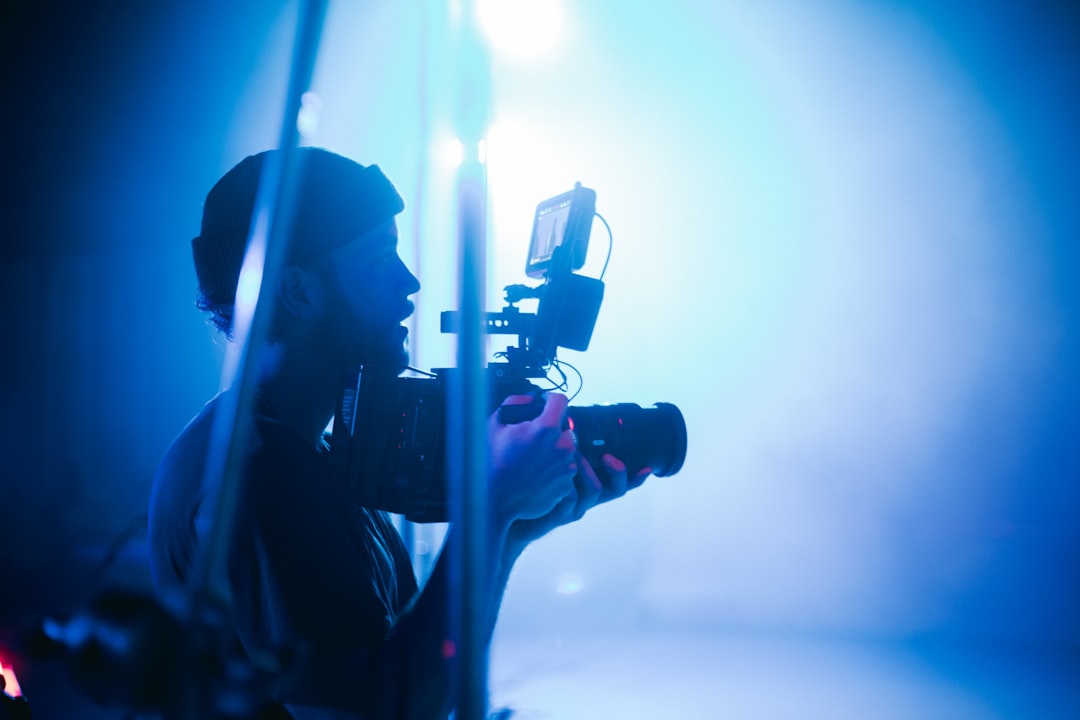
Visual documentation brings history alive in ways that text alone cannot. But it only works if the materials are organized, preserved, and accessible. An external hard drive full of unnamed image files from ten years ago might as well not exist.
Building Archives
Milestone archives:
- Preserve institutional history
- Inspire current and future members
- Boost engagement and pride
- Strengthen branding and identity
- Facilitate knowledge sharing within organizations
A well-maintained archive becomes a resource that serves multiple purposes. New board members can understand the context of current initiatives. Marketing teams can draw on authentic stories. Researchers can access materials for publications or presentations. The initial investment in organization pays dividends for decades.
Anniversary Events
Successful celebrations require:
- Clear goals and vision
- Realistic budgeting
- Thematic coherence
- Engaging activities for diverse audiences
- Strategic promotion
- Post-event evaluation
Anniversaries are natural moments to reflect on and share institutional history. They’re opportunities to remind members why the organization matters, to attract media attention, and to strengthen community bonds. But only if you have the materials to tell the story properly.
Ethical Considerations
Organizations should:
- Obtain informed consent for documenting individuals
- Respect privacy concerns
- Attribute credit properly
- Communicate transparently about content usage
- Maintain updated policies
Not everything should be preserved, and not everything preserved should be made publicly accessible. Develop clear policies about what gets documented, who has access to what, and how long different materials are retained. Respect privacy, protect sensitive information, and be transparent about your practices.
Long-Term Preservation
Future-proofing demands:
- Comprehensive planning
- Regular data backups in multiple locations
- Staff training on systems and procedures
- Technology monitoring and migration
- Consultation with archival experts
The hard truth: most organizational records are lost not through disaster, but through neglect. A filing cabinet no one opens. A hard drive no one backs up. A system only one person understands, and they’ve just retired.
Prevention is straightforward: document your systems, train multiple people, back everything up, and review your practices regularly. The organizations that successfully preserve their history aren’t lucky. They’re intentional.